How Insurance Claim Assistance Works, Step by Step
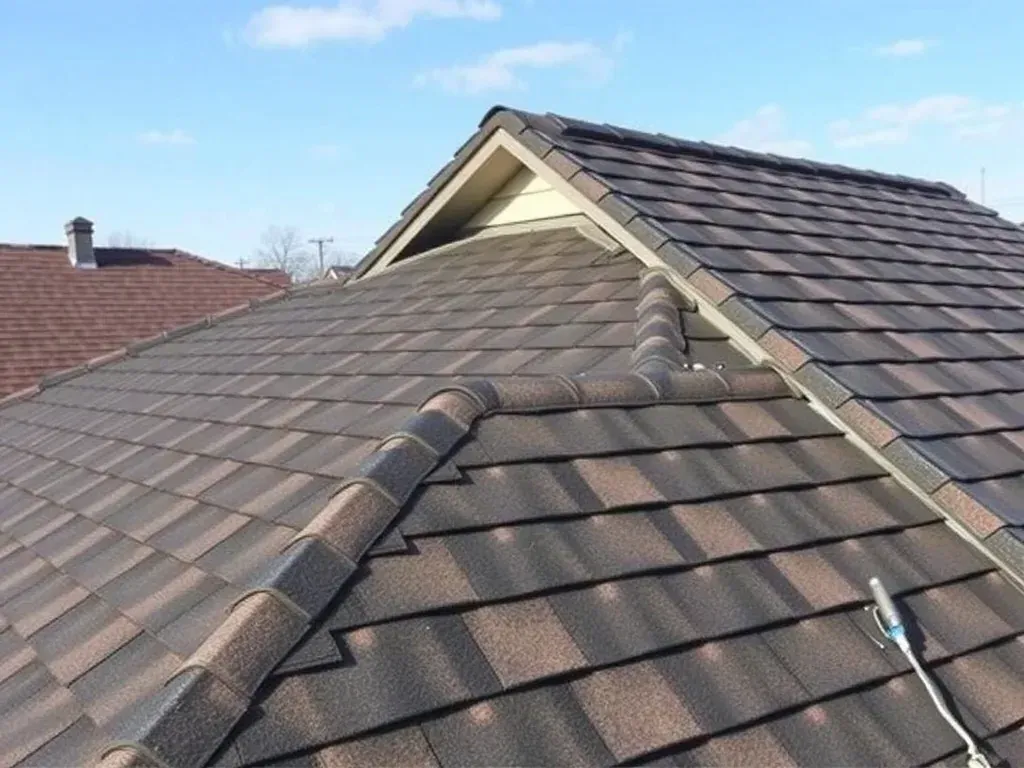
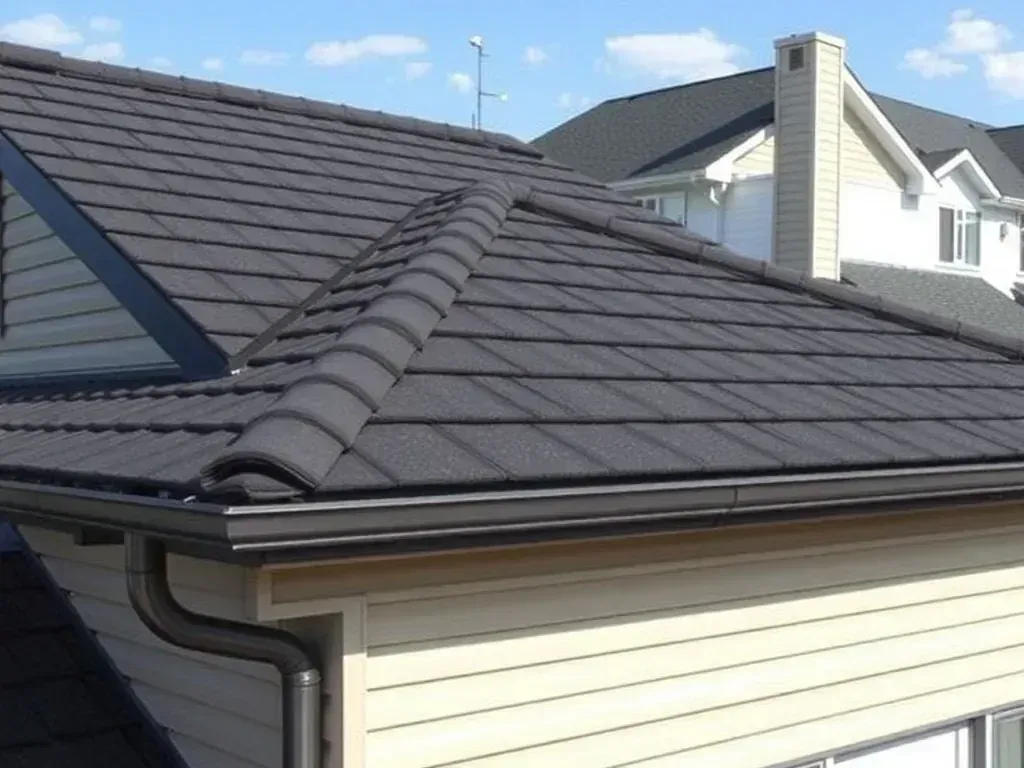
An insurance claim is won or lost on what gets written down in the first week. We photograph the storm damage before a tarp goes up, measure every slope, and price a scope of work that matches the policy coverage you already pay for.
- We run a full roof inspection with drone photo packages covering wind damage, hail damage, and the soft-metal dents carriers like to challenge.
- We install emergency mitigation, meaning a tarp over the open valley or a board over a cracked skylight, so water stops traveling through the house.
- We build claim documentation in Xactimate, pricing tear-off, decking, underlayment, and debris removal line by line instead of as a lump sum.
- We meet your adjuster on the roof and walk the roofline together, rather than accepting a glance from the driveway.
- We file a supplement when rot, decay, or a sagging rafter surfaces after the tear-off starts and the decking opens up.
- We track depreciation and replacement cost so you recover the withheld funds once the finished work passes final inspection.
What Insurance Claim Assistance Looks For on Your Roof
Water rarely enters where you would guess. It wicks along a rafter, seeps past a pipe boot, and stains a ceiling two rooms away. Insurance claim assistance traces that path with real measurements, moisture content, and photographs.
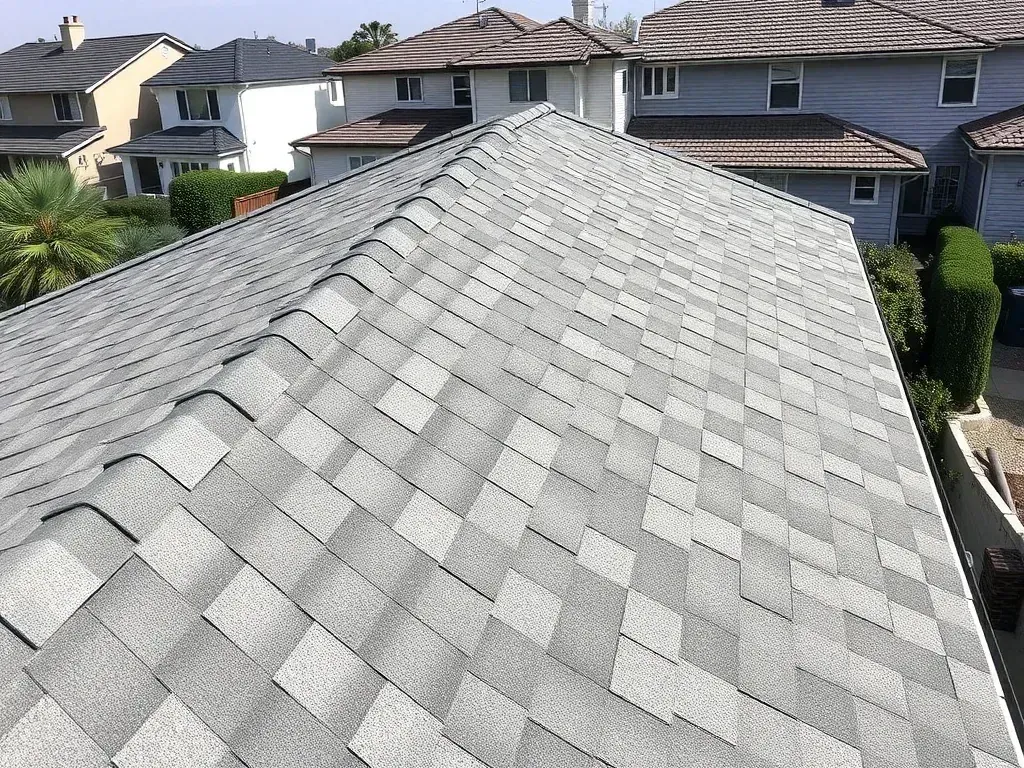
- Asphalt shingle in the field course shows granule loss and end-of-life wear, which is often the line between a repair and a full replacement.
- Architectural shingle and three-tab shingle age at different rates, and your carrier prices them at different rates too.
- Wood shake, cedar shake, slate, and clay tile or concrete tile crack, slip, and spall long before a leak shows up inside, and water gets under the substrate fast.
- A metal panel roof, whether standing-seam panel or corrugated panel, fails at exposed fasteners where screws back out and corrosion begins.
- TPO, EPDM, and PVC membrane flat systems pond water at a low corner and split along the seams.
- Built-up roof and modified bitumen flake and alligator once the tar, pitch, and bitumen dry out and lose their flexibility.
- Ice-and-water shield and synthetic underlayment hold up far better than old roofing felt or tar paper at the eave, where ice dam water sits longest.
The Small Roofing Parts That Move a Claim
Insurance claim assistance pays attention to the parts nobody sees from the curb. A missing drip edge at the eave, a rusted chimney flashing, or a cracked step flashing in the valley can turn a patch job into replacement cost.
- Counter-flashing and apron flashing seal where the roofing meets a wall or chimney, and they are the first detail an adjuster photographs.
- A pipe flashing or boot flashing around a plumbing stack, whether you call it a pipe boot or a vent boot, dries out and cracks, sending water into the insulation.
- Ridge cap, ridge vent, and soffit vent work as one ventilation system, so a blocked soffit vent or a dead attic fan pushes heat straight into the roof deck.
- Gutter and downspout dents often read as water damage rather than roofing damage, which can change how your policy coverage applies.
- Decking, plywood, and OSB sheathing hide rot beneath shingles that still look fine, and a pry bar is the only honest test.
- Rake, verge, hip, and gable edges take the worst of wind uplift, along with any overhang, canopy, or awning bracket bolted through the fascia.
Newark Conditions That Change the Scope of Work
Newark sits in classic ice dam country, where freeze-thaw cycles push meltwater under the shingles and into top-floor ceilings near the exterior walls. Insurance claim assistance scopes for that reality, not for a mild climate.
- Roughly 46 to 50 inches of precipitation in a normal year means every skylight, dormer, and parapet flashing gets tested again and again.
- Nor'easters and the remnants of storms like Sandy drive wind damage and hail damage that show up first along the ridge and ridge cap.
- Snowfall averaging 26 to 29 inches a season, with a single nor'easter dropping a foot or more, makes snow guards and a sound ridge beam worth discussing.
- Older Ironbound and Weequahic rooftops often carry mansard or gambrel shapes with purlins, battens, and counterbattens that need custom flashing details.
- Row-house parapets and scupper drains near Broad Street and McCarter Highway cause ponding that rots coping and the truss or joist ends behind it.
- Clay tile roofs in Forest Hill and Vailsburg develop hairline cracks after a hard freeze, and a licensed roofer should check them before winter.
Tools, Timelines, and Roof Estimate Cost Drivers
Insurance claim assistance usually gets an inspection done in one visit and a written roof estimate within a day or two. The adjuster meeting follows your carrier's schedule, which we cannot control, but we will prepare you for it.
- Our crew works off scaffold, ladder, and safety harness, using a roofing square, nail gun, and air compressor set to the right depth so ring-shank nails seat without tearing the mat.
- Tear-off means a pry bar, roofing shovel, and a dumpster for debris, while a torch and mastic or roof cement handle the detail work at the chimney.
- Sealant, caulk, adhesive, coating, and a vapor barrier get priced separately because a carrier may leave them out of the first pass.
- Building code items such as waterproofing and weatherproofing details, anchors, and ventilation are our most common supplement requests.
- Your deductible stays your responsibility under the policy, while replacement cost, depreciation, and the proof of loss form decide the final numbers.