How Skylight Installation Works, Step by Step
We start on the roof deck, not in a showroom. First we mark the opening from inside the attic so the unit lands between rafters and truss chords instead of cutting through them or notching a ridge beam.
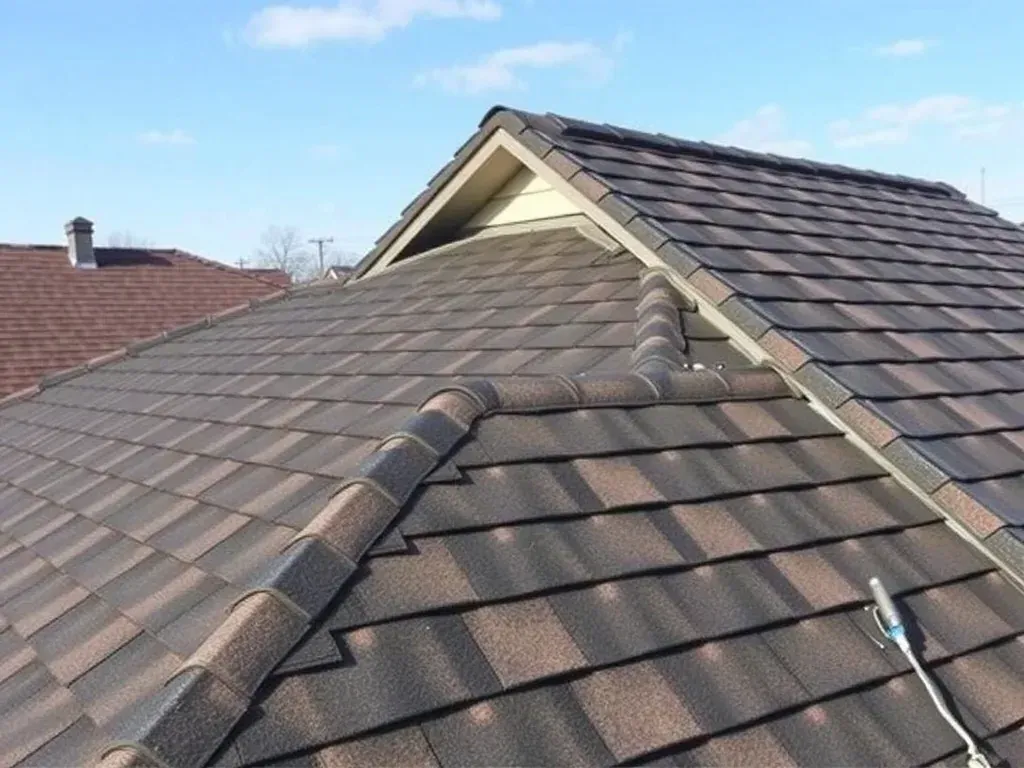
Next comes the cut. We pull the asphalt shingle field back, cut the plywood sheathing, and frame a curb sized to the roof pitch and the slope of that particular hip or gable.
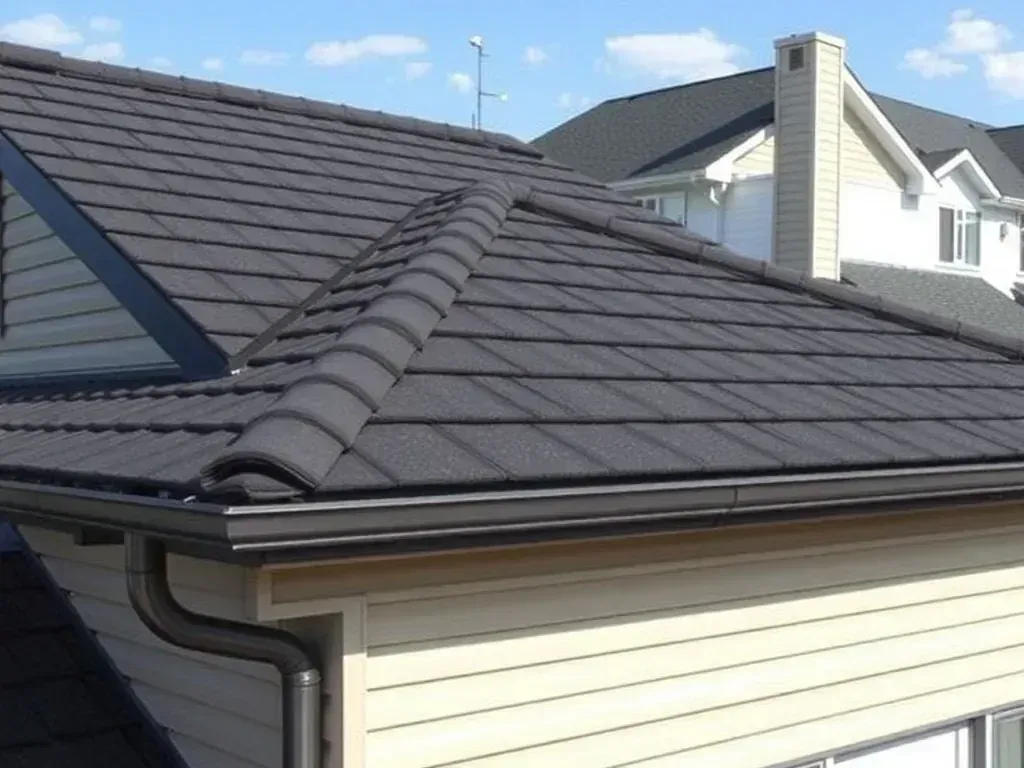
Then we waterproof. A self-adhered ice-and-water shield laps up the curb, step flashing and counter-flashing tie the unit to the field course, and we hand-seal every lap instead of trusting caulk alone.
Inside, we trim the shaft, pack insulation around the curb, and run a vapor barrier on the warm side so moist air cannot wick into the frame and rot it from behind.
Materials and Components We Choose, and Why
- Fixed skylights are the workhorse for hallways and stairwells, with no motor and no moving parts to freeze shut.
- Vented skylights open for stack-effect ventilation, pulling hot air off a top floor before it drives an attic fan overtime.
- Solar-powered blinds run off a small panel, so you cut summer glare without fishing wire down a finished wall.
- Sun tunnels are the answer when a joist, a rafter run, or a building code rule will not allow a full roof opening over a bath or closet.
- VELUX units are the ones we specify most for curb-mount and deck-mount work, largely because replacement parts stay available.
- Solatube sun tunnels suit tight hallways where a full opening would mean moving a vent boot.
- Curb and framing lumber is sized to the roof pitch so the unit sits square and the flashing planes line up.
- Flashing packages include apron flashing, step flashing, counter-flashing, and a drip edge at the head of the curb.
- Synthetic underlayment replaces felt or tar paper beneath the unit, because old roofing felt dries out and tears at the edges.
- Sealant and roof cement back up mechanical flashing only, never the primary waterproofing layer.
What We Inspect Before Any Cut Is Made
- Flashing condition at chimney flashing, pipe flashing, pipe boots, and vent boots, which is where most leaks actually start.
- Sheathing and decking moisture, because soft OSB or decayed plywood will not hold a nail or carry a curb load.
- Rafter, joist, and purlin layout, so the opening lands clear of structure and we know whether a batten run is in the way.
- Existing underlayment type, since felt, tar paper, and synthetic assemblies behave differently once they take on water again.
- Attic ventilation balance across ridge vent, soffit vent, and attic fan, because a new opening changes how air moves through the roof.
- Interior clues like ceiling stains, peeling paint, and sagging drywall that show how long meltwater has been seeping in.
Newark Weather, Roof Shapes, and Local Conditions
Newark sits in a classic ice dam climate. Freeze-thaw cycles push meltwater uphill under the shingles and into ceilings near top-floor exterior walls, so a curb flashed short shows a stain by February.
We see 46 to 50 inches of precipitation in a normal year and 26 to 29 inches of snow, and one nor'easter can drop a foot in a single night. On steep pitches we add snow guards above the unit.
Older mansard and gambrel rooflines around the Ironbound and Weequahic shed snow fast at the verge and rake, which puts extra stress on counter-flashing and the parapet tie-in on attached brick buildings.
Timelines, Cost Drivers, and What a Roof Estimate Covers
A single unit is a one-day job: half a day on the rooftop and half inside trimming the shaft. A pair over a stairwell can run two days if framing or drywall needs rebuilding.
Your roof estimate is line-item. The unit, curb framing, flashing package, underlayment, and interior finish each show as their own number, and deck repair is quoted separately because nobody can see it until the tear-off.
Here is the thing about cost: the unit itself is rarely the biggest line. Labor, flashing, and interior finishing usually decide the total, and a second-floor bath costs more than a garage because of the shaft run.