How a Metal Roof Goes On, Step by Step
Metal roofing on a Newark home follows a sequence we rarely change. It starts with a roof inspection that measures pitch, counts penetrations at the chimney, pipe boot, and skylight, and maps every valley and dormer along the roofline.
Tear-off comes next. Down comes the old three-tab shingle, asphalt shingle, felt, and tar paper, pried up with a roofing shovel and hauled off in a dumpster so your driveway stays passable.
- We strip shingle and roofing felt down to the roof deck, then test plywood and OSB sheathing for rot with a pry bar.
- Synthetic underlayment covers the field, with an ice-and-water shield at the eave and at each valley where meltwater collects.
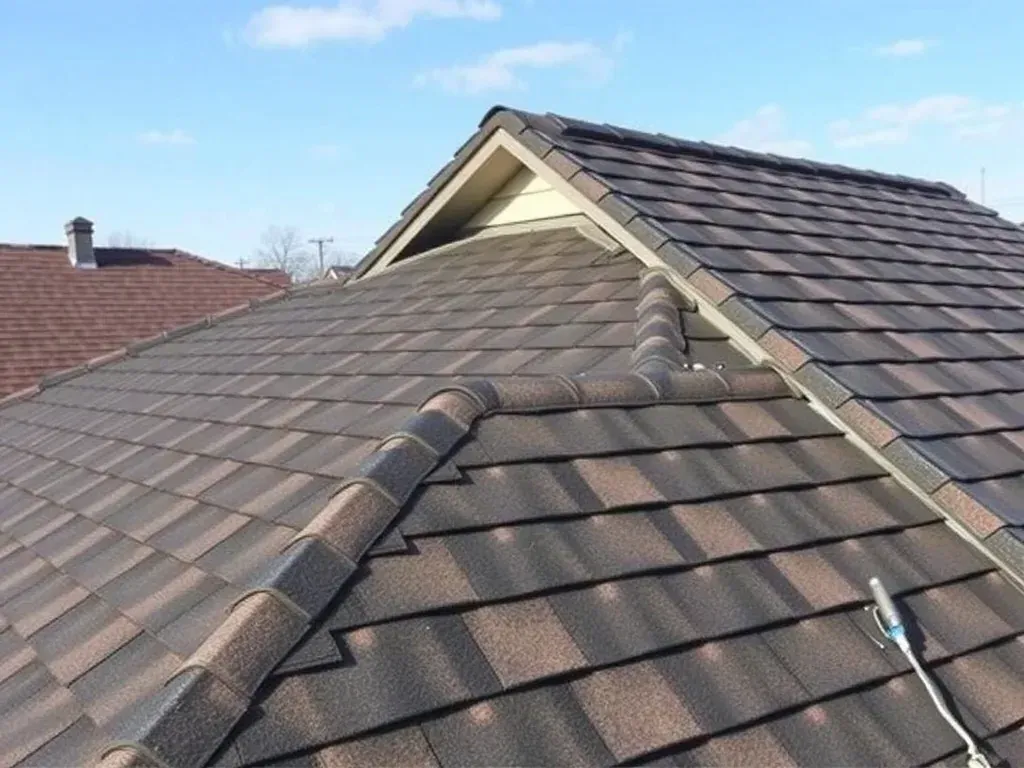
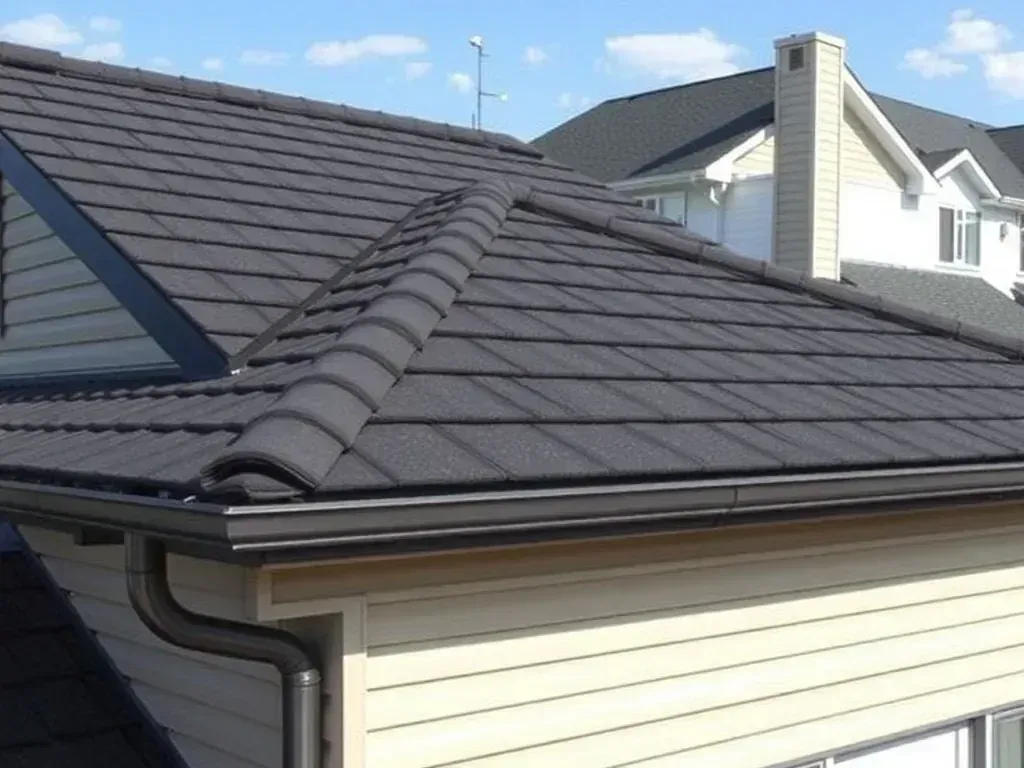
- Corrugated panel or standing-seam panel goes down in staggered courses, fastened with screws set to depth using a nail gun and air compressor.
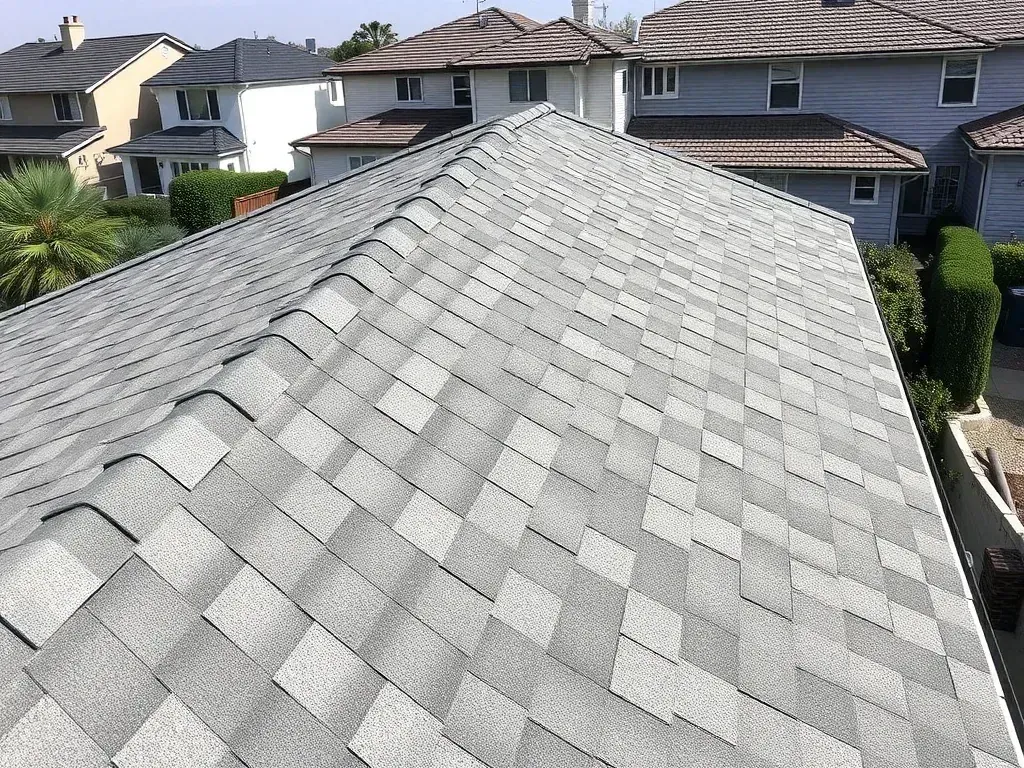
- Ridge cap, drip edge, and step flashing are fitted at every transition, then hand-sealed with roof cement, mastic, or a compatible sealant.
- A closing roof inspection checks fastener depth, and a magnet sweep clears nails, screws, and metal debris from the yard and gutter.
Which Panels We Install and Why
Homeowners ask about standing-seam steel first, and it earns the question. Concealed clips mean almost no fasteners pierce the panel, so the leak points along the fastener line largely disappear.
Exposed-fastener panels cost less and install faster, but every screw is a possible entry path, so gasketed fasteners and correct torque matter more than gauge alone. Stone-coated steel from Decra reads like wood shake, and ATAS stamps panels that pass for clay tile or slate.
We order much of our standing-seam panel and trim through McElroy Metal. Aluminum panels suit low-slope porch overhangs and awning work, and a PVDF or SMP coating is what carries a panel through a 40-to-50-year service life. A lighter-color finish reflects heat, which is where metal earns its energy-efficiency reputation, and recycling a spent panel keeps it out of a landfill.
What a Roofer Checks on a Roof Inspection
A roofer who skips the attic is guessing. Trapped heat and moisture rot rafters and truss members faster than any storm, so ventilation at the soffit vent, ridge vent, and attic fan gets checked every time.
- Granule loss and curled edges on asphalt shingle mean the whole field is at end-of-life wear, not one bad square.
- Corrosion, blistering, and peeling coating on a metal panel says the finish failed; a recoat can buy a few more seasons.
- Soft plywood or OSB sheathing means decay reached the substrate, so we tear off rather than overlay.
- Rusted counter-flashing, a cracked pipe flashing, or a worn vent boot lets water wick across the decking and stain ceilings.
- A sagging roofline or a settled ridge beam points to structural movement, not a roofing problem alone.
- Ice dam staining at the eave and spalling on parapet coping are the two calls we get most after a freeze-thaw week.
- Roof maintenance tips we repeat on every visit: clear the gutter and downspout before winter, and reseal exposed caulk in early fall.
Parts We Replace Along With the Panel
The panel is the visible half of the job. The parts under and around it decide whether the assembly holds, and we inspect each one before we bid.
- Fascia and soffit board take the first hit from an overflowing gutter, so rotted wood gets replaced before trim goes back.
- Rake edge, apron flashing, chimney flashing, and boot flashing all need new metal; old caulk and mastic dry out and crack.
- A downspout that dumps onto a lower roof erodes the shingle there, so we reroute the discharge away from the foundation.
- Architectural shingle on adjoining porch roofs is color-matched, and concrete tile or clay tile gets reset on its batten instead of nailed flat.
- Purlins, battens, and counterbatten framing carry the panel on open roofs; if they have twisted, the panel will hold water.
- Self-adhered adhesive under the membrane, a torch for modified bitumen, and a roofing square for layout decide whether it seals.
- A safety harness above one story, plus a ladder and scaffold staged off the garden, keeps the work safe and the beds intact.
- Waterproofing at the chimney, weatherproofing at every pipe boot, a rooftop anchor for future service, and a vapor barrier in a cathedral ceiling.
Newark Weather, Timelines, and Cost Drivers
Newark sits in a classic ice dam climate. Freeze-thaw cycles push meltwater up under the laps and into top-floor ceilings, which is why the ice-and-water shield at the eave is not optional here.
We see 46 to 50 inches of precipitation in a normal year and 26 to 29 inches of snow; one nor'easter can drop a foot overnight. Hurricane Sandy showed how far that water reaches across Essex County.
Tight lots in Ironbound, Forest Hill, Weequahic, Vailsburg, University Heights, Roseville, and Clinton Hill mean we often work from a ladder and scaffold rather than a lift.
Parking around Broad Street and the Route 21 McCarter Highway corridor shapes our schedule, the same way I-78 and the New Jersey Turnpike shape how a crew reaches you.
A metal roof on a simple gable or hip usually takes three to five days once materials arrive. Mansard and gambrel rooflines run longer because of the transitions.
- Roof pitch, square footage, dormers, and a canopy or awning detail add labor, since every verge and overhang needs custom trim.
- Decking repair, a new ridge beam, or joist work raises the roof estimate before a single panel is ordered.
- Ventilation and insulation upgrades protect the finish warranty and pull summer attic heat down.
- Building code compliance at the eave, valley, and chimney flashing is a fixed cost, not an upsell.
- Snow guards and service anchors are inexpensive now and awkward to add later.
Flat and low-slope sections are a different job. A modified bitumen membrane, a built-up roof, or a TPO or EPDM membrane handles ponding at a scupper in ways shingle never will, and a PVC membrane suits a kitchen exhaust.