How Storm Damage Repair Works, Step by Step
Storm damage repair starts with a rapid damage inspection, because hail bruises and wind-lifted shingles rarely show themselves from the ground. We tarp the opening first so water stops wicking into your insulation while we work.
- Emergency tarping. A reinforced tarp held with cap nails keeps the damaged slope shut so rain cannot seep into the sheathing overnight.
- Roof inspection. We photograph bruised shingle fields, hail dents on metal panels, and torn boots around every pipe flashing before anything is removed.
- Decking check. The roof deck, plywood or OSB sheathing over the trusses and rafters, gets probed for rot once the underlayment peels back.
- Debris removal. Broken tabs, piles of granule loss, and gutter debris come off the rooftop and into a dumpster before anyone walks the field course.
- Repair or replacement. Isolated damage gets mended; when a whole slope is gone, replacement shingles go down in staggered courses instead of a cheap overlay.
- Flashing and sealant. Step flashing at sidewalls, chimney flashing, and counter-flashing get resealed or refit, since those joints fail first.
Materials We Choose After a Storm
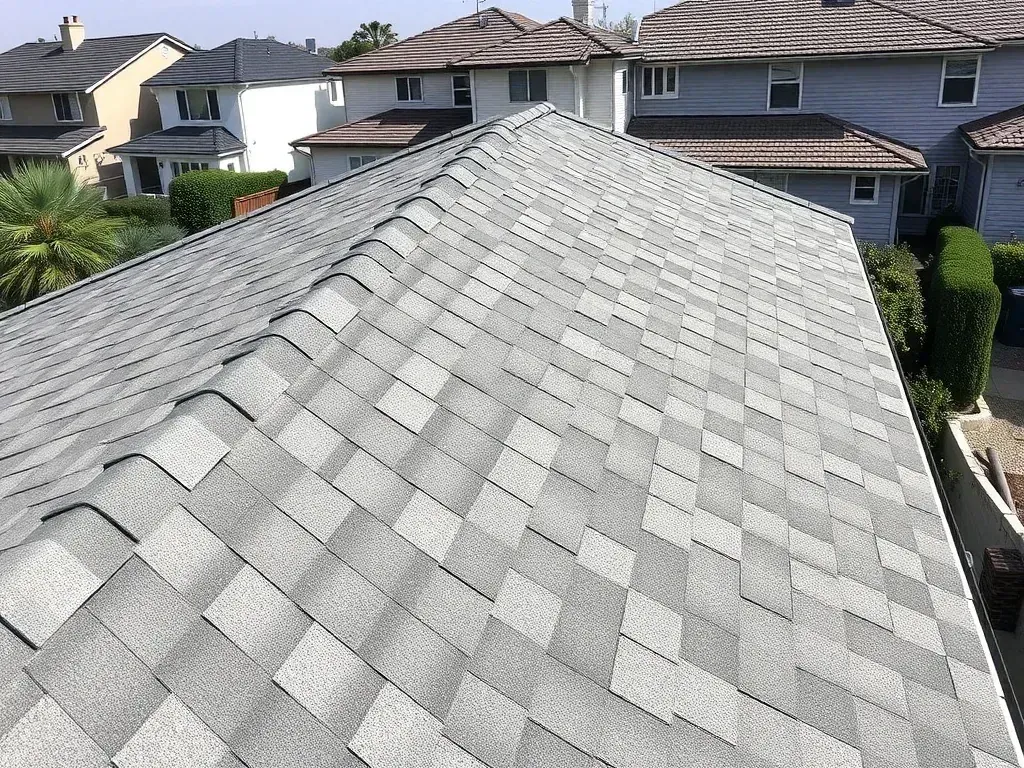
- Architectural shingle carries a heavier mat and a higher wind-uplift rating than three-tab shingle, which matters on exposed ridgelines.
- Ice-and-water shield is a self-adhered membrane along the eaves and valleys so an ice dam cannot push meltwater under the courses.
- Synthetic underlayment replaces old felt and tar paper and stands up to foot traffic better than the asphalt-saturated material it retires.
- EPDM, TPO, and PVC membrane cover flat roofs, parapets, canopies, and porch roofs where shingles cannot shed water.
- Modified bitumen and built-up roof assemblies remain standard on older flat-roofed buildings along Broad Street and Downtown Newark.
- Standing-seam and corrugated metal panels show hail as dimples and chalking, so we check fastener gaskets and the finish coat too.
- Replacement decking in plywood or OSB goes in wherever decay has softened the substrate past saving.
What Our Roofers Check and Document
Insurance claims turn on paperwork. Xactimate line items carry far more weight than a phone description, so our roofing contractor photographs every failure before touching it. Here is what a post-storm roof inspection covers.
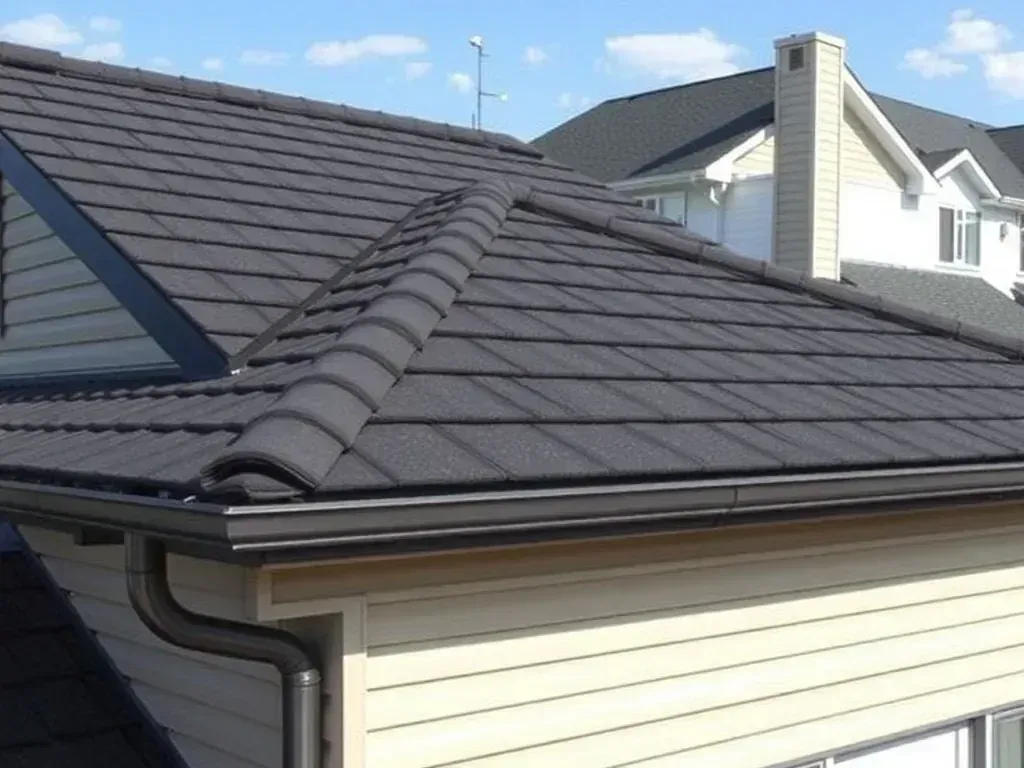
- Drip edge, fascia, soffit, and rake verge, where wind-driven rain peels paint and rots the boards sitting behind your gutter, downspout, and roof overhang.
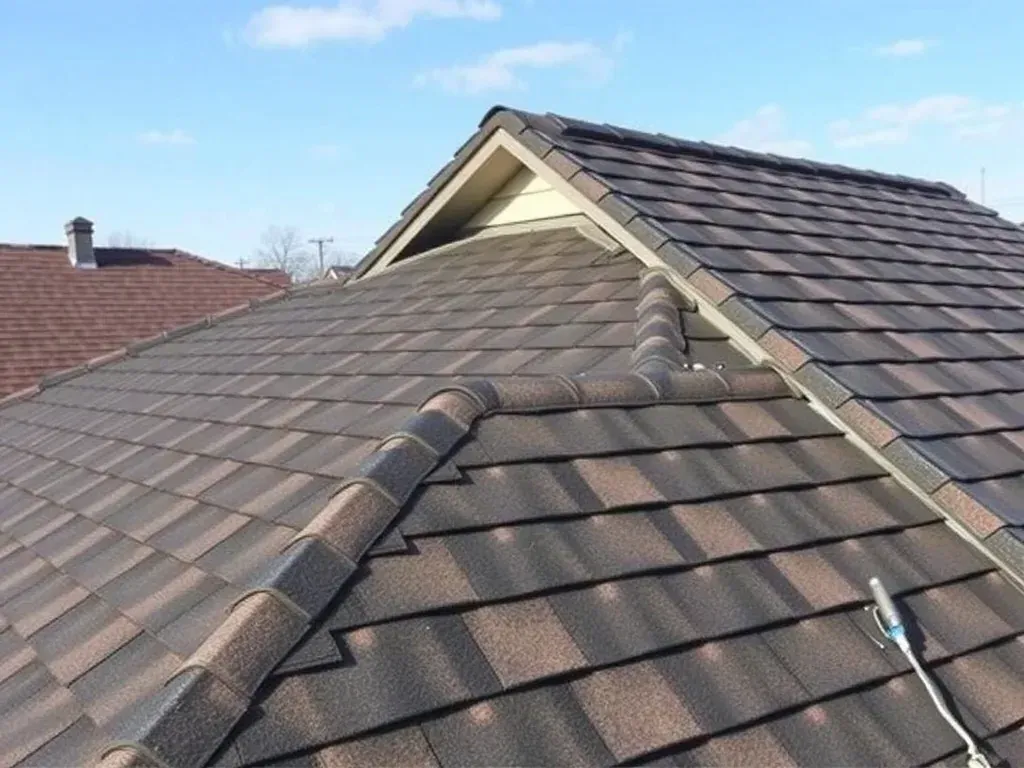
- Ridge, hip, and gable lines, plus ridge cap shingles, ridge vent, and snow guards that lift in high wind.
- Valleys and eave edges, the two places water erodes fastest and ice dam damage surfaces first.
- Dormer, skylight, and vent boot seals, including boot flashing and pipe flashing that crack and flake under UV.
- Chimney and sidewall junctions, where mastic and caulk have dried out and step flashing has pulled away from the masonry.
- Sheathing, joists, and ridge beam, checked for sag, settle, and moisture content once we open the assembly.
- Attic side, where soffit vent airflow, insulation, ventilation, and an attic fan tell us whether waterproofing has already failed.
Timelines, Costs, and Local Conditions
Tarping goes up the same day in most cases. A small mend runs a few hours. A full tear-off on a steep pitch takes two to four days, depending on weather and how much decking needs replacing.
Costs move with pitch, square footage, and access. A two-story mansard or gambrel roof on a tight Ironbound lot needs scaffold instead of a ladder. Wood shake, cedar shake, slate, clay tile, and concrete tile cost more to match than asphalt shingle because both the material and the fastening change.
Newark sits in a classic ice-dam climate. Freeze-thaw cycles push meltwater under shingles and into top-floor ceilings near exterior walls, and a nor'easter can drop a foot of snow that melts into the same problem. We detail for that: a vapor barrier where it belongs, batten and counterbatten under metal, purlin bracing where frames have settled, and anchor points for a safety harness on anything steep.
Flat and commercial work gets its own approach. A parapet wall, metal coping, a scupper drain, and rooftop curbs leak in ways a shingle roof never does, and a canvas awning or storefront canopy hides rot until the ceiling stains show up inside. We fasten with ring-shank nails and screws, set membrane in contact adhesive, and finish joints with urethane sealant instead of a smear of roof cement. Our crew works off a ladder or scaffold with a roofing square, pry bar, and roofing shovel; a nail gun and air compressor drive the fasteners, and a torch comes out only for modified bitumen.