What a Roof Repair Visit Involves, Step by Step
Roof repair starts with a roof inspection, not a sales pitch. We walk the rooftop, look at the attic side of the decking, and hand you a written roof estimate before anything gets torn apart.
- We set a ladder or scaffold, tie off a safety harness, and cover the gutters and downspouts.
- We lift the failed shingle with a pry bar, pull the fasteners, and drop the debris into a dumpster.
- We check the sheathing — plywood or OSB — for rot, sag, or a soft substrate under the leak.
- We replace the underlayment with synthetic underlayment, or set ice-and-water shield along the eave and valley.
- We refit the flashing, reseal the pipe boot or vent boot, and bed new step flashing at the chimney.
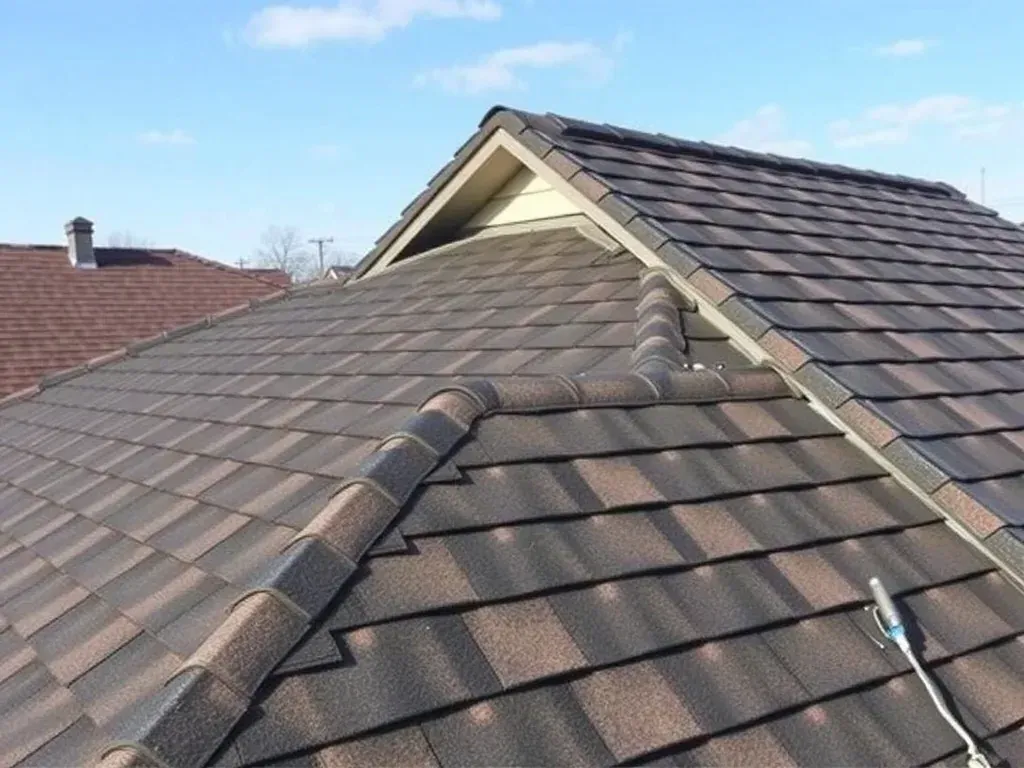
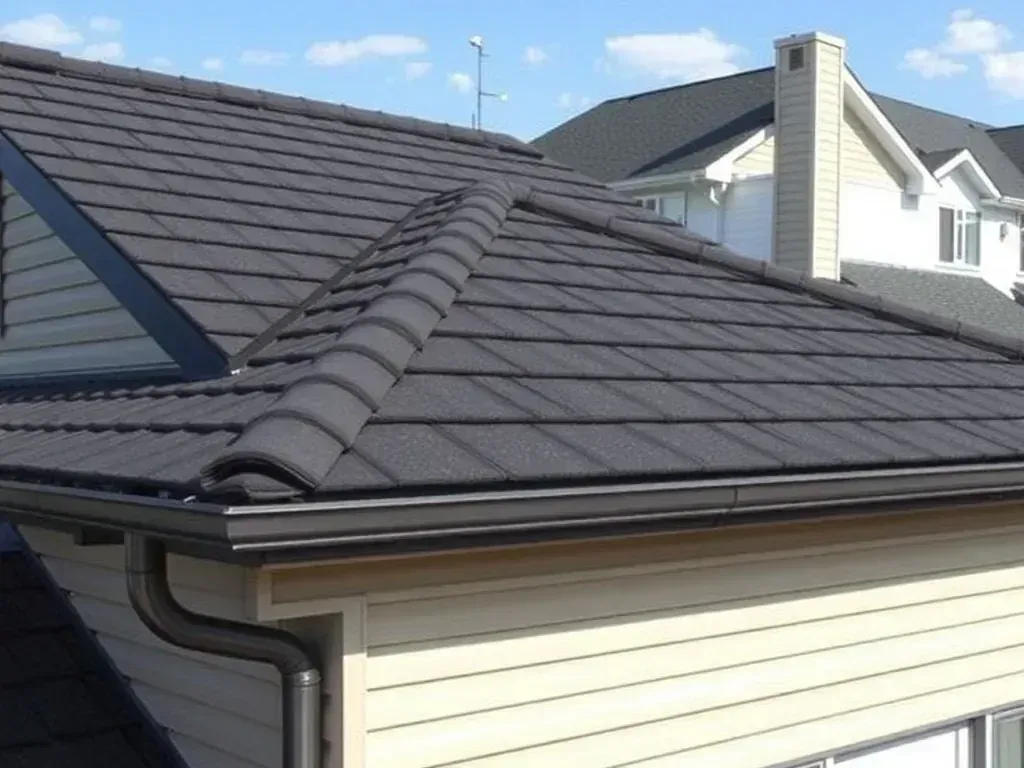
- We run a matching field course in staggered courses, reset the drip edge, and re-bed the ridge cap.
Every fastener we set is a ring-shank nail run through a nail gun off an air compressor, never overdriven. Metal panels get screws and washers instead. A roofing square — 100 square feet — is the unit we price in.
Materials We Bring, and Why Each One Matters
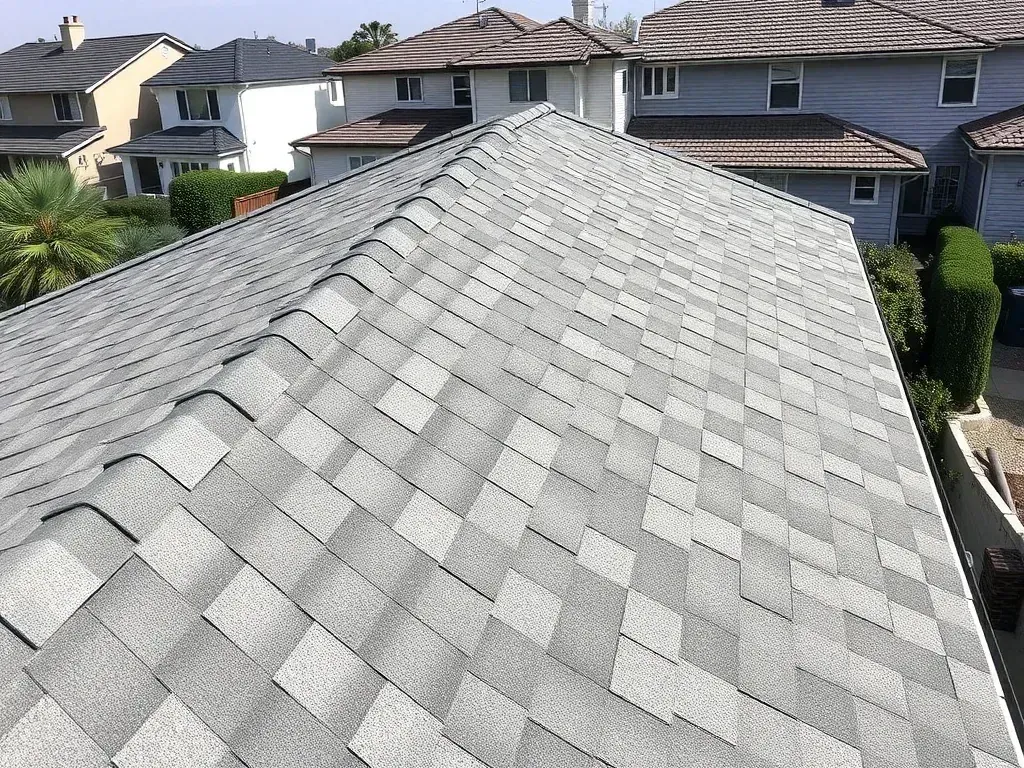
- Asphalt shingle and architectural shingle cover most Newark roofs; three-tab shingle is thinner and cracks at the tab first.
- Synthetic underlayment replaces roofing felt and tar paper, which tear and wick water once they dry out.
- Ice-and-water shield is a self-adhered membrane — peel-and-stick adhesive on a rubberized sheet — that seals the eave where ice dam water backs up.
- Flashing is the metal that actually stops leaks: step flashing at sidewalls, apron flashing above a porch roof, counterflashing set into a chimney, and boot flashing at every penetration.
- Pipe boot and vent boot collars crack from UV; roof cement and mastic are patches, not repairs.
- Ridge vent, soffit vent, and an attic fan keep ventilation moving so insulation and roof deck stay dry.
- Low-slope work runs in modified bitumen, TPO, EPDM, PVC membrane, or built-up roof laid in hot tar and bitumen, with a reflective coating on top.
- Steep specialty roofs — wood shake, cedar shake, slate, clay tile, concrete tile, metal panel, standing-seam panel, corrugated panel — get matched fasteners and their own method.
What a Roof Inspection Looks For Along Your Roofline
- Granule loss and end-of-life wear on the field course, where asphalt oxidizes and the mat dries out.
- Caulk and sealant shrinking at the counter-flashing, pipe flashing, and skylight curbs.
- Rot, decay, or soft decking around a dormer, chimney, or parapet where water wicks sideways.
- Split, curled, or missing shingles along the hip, gable, rake, ridge, and verge.
- Ponding water, clogged scuppers, and loose coping behind a parapet wall.
- Loose fascia, soffit, and gutter runs that let water slip behind the drip edge.
Newark Weather and Housing Stock Change the Work
Newark sits in a classic ice-dam climate. Freeze-thaw cycles push meltwater up under the shingles and into ceilings near top-floor exterior walls, which is why we look at the eave before the field.
The city gets 46-50 inches of precipitation in a normal year and 26-29 inches of snow. Sandy flooded eastern Essex County in 2012; one nor'easter can drop a foot in a day.
- In the Ironbound, low-slope roofs over brick want membrane and coating work, not shingles.
- Forest Hill and Roseville colonials have steep hip, gable, and gambrel roofs where ice dams form.
- Weequahic and Clinton Hill two-families carry mansard fronts and dormers with fussy step flashing.
- Vailsburg and University Heights porches, awnings, and canopy overhangs trap debris against the roofline.
- Downtown Newark and Four Corners rooftops off Broad Street have parapets and scuppers we clear first, near the Route 21 and I-78 approaches.
Timelines, Cost Drivers, and When Repair Is the Wrong Call
Most repairs finish in a few hours. A valley, chimney, or decking rebuild runs a full day, and January ice can push it later. Pitch, height, layers to remove, and access drive cost more than the material itself.
Where we open a roof, building code applies — venting, vapor barrier placement, and how insulation meets the eave. A compromised purlin, ridge beam, truss, or joist is a framing conversation first. Everything we close gets a weatherproofing check, and snow guards and anchor points go back on. When shingles are frozen solid, a roofing shovel does what a pry bar can't; a torch only comes out for modified bitumen seams, never near a wood deck.