What a Full Tear-Off Actually Involves
A replacement starts with removal. We strip the old shingle down to the roof deck, then inspect every panel of sheathing for rot, decay, and soft spots before anything new goes down.
- Debris goes into a dumpster staged in the driveway, and the crew works with roofing shovels and pry bars so the fascia and gutter below survive the tear-off intact.
- Decking that has soaked through gets cut out and rebuilt with new OSB or plywood, because a shingle nailed to a spongy substrate fails within a season.
- Framing problems surface here too. A sagging rafter, a cracked truss, or a joist pulling away from the ridge beam all get photographed and priced before we close the roof back up.
- Newark building code requires a permit on a full replacement, and the final inspection looks at flashing details as closely as the field course.
The Layers That Actually Keep Water Out
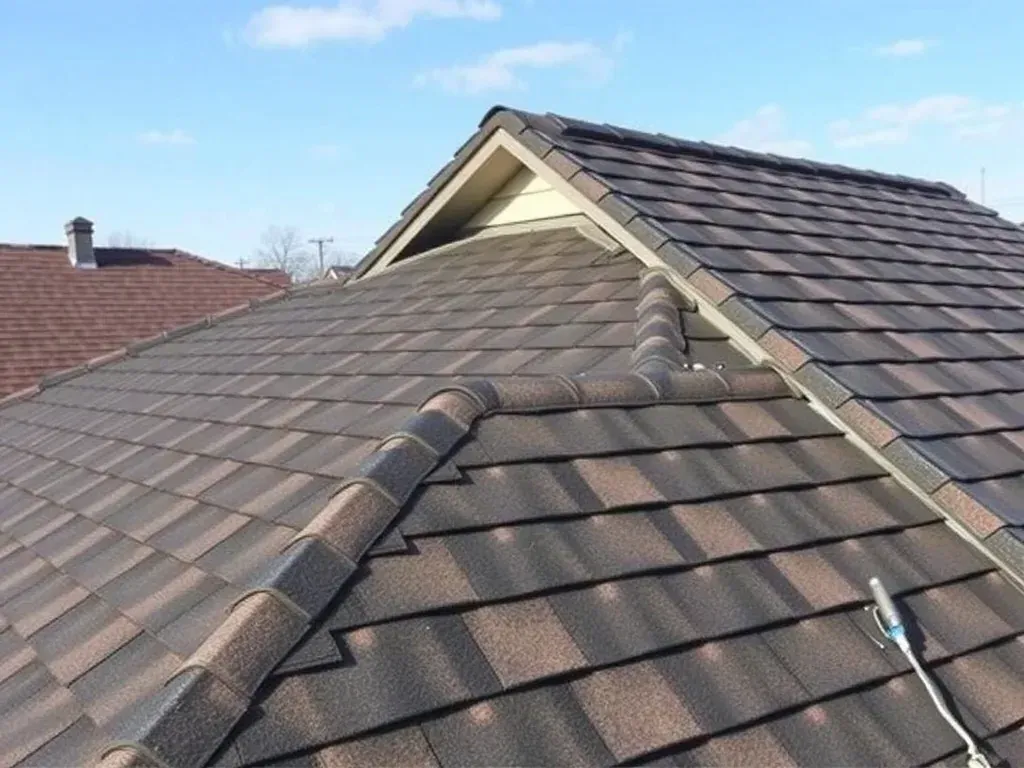
Shingle is the visible layer, not the waterproof one. Ice-and-water shield goes along the eave and up the valley first, self-adhered so meltwater cannot wick under the edge during a freeze-thaw cycle.
- Synthetic underlayment covers the rest of the deck. It is lighter and more tear-resistant than tar paper or old roofing felt.
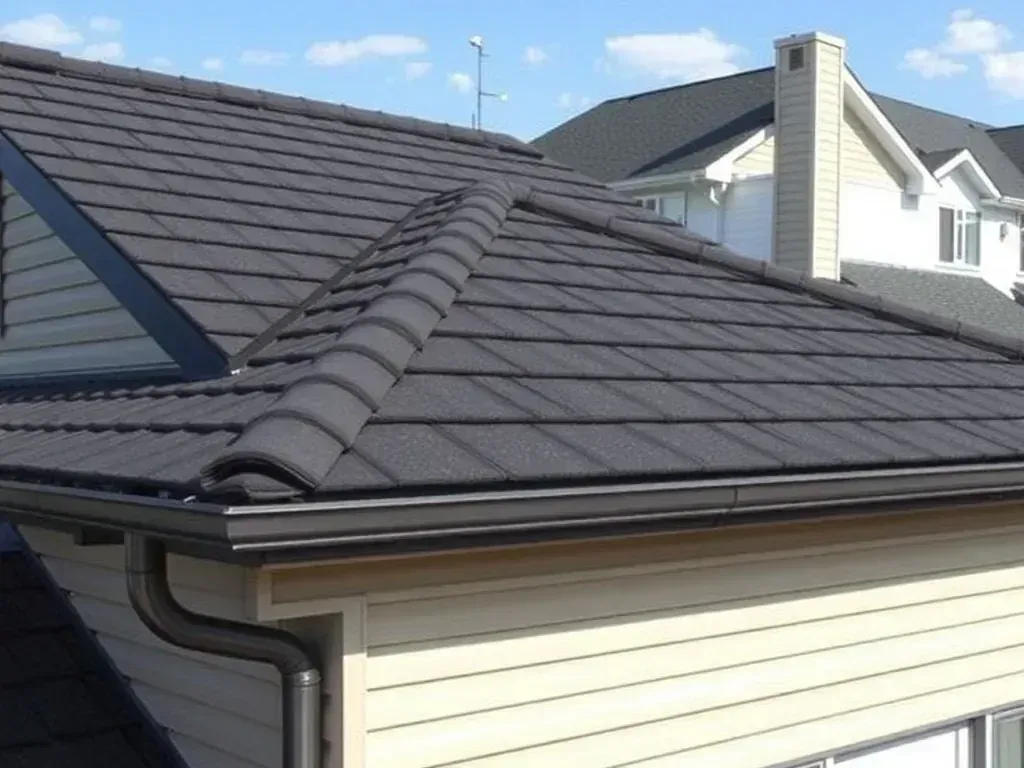
- Drip edge metal locks over the eave and rake, sending runoff into the gutter instead of behind it.
- Step flashing and counter-flashing protect sidewalls and chimneys, while pipe boots seal the plumbing vents.
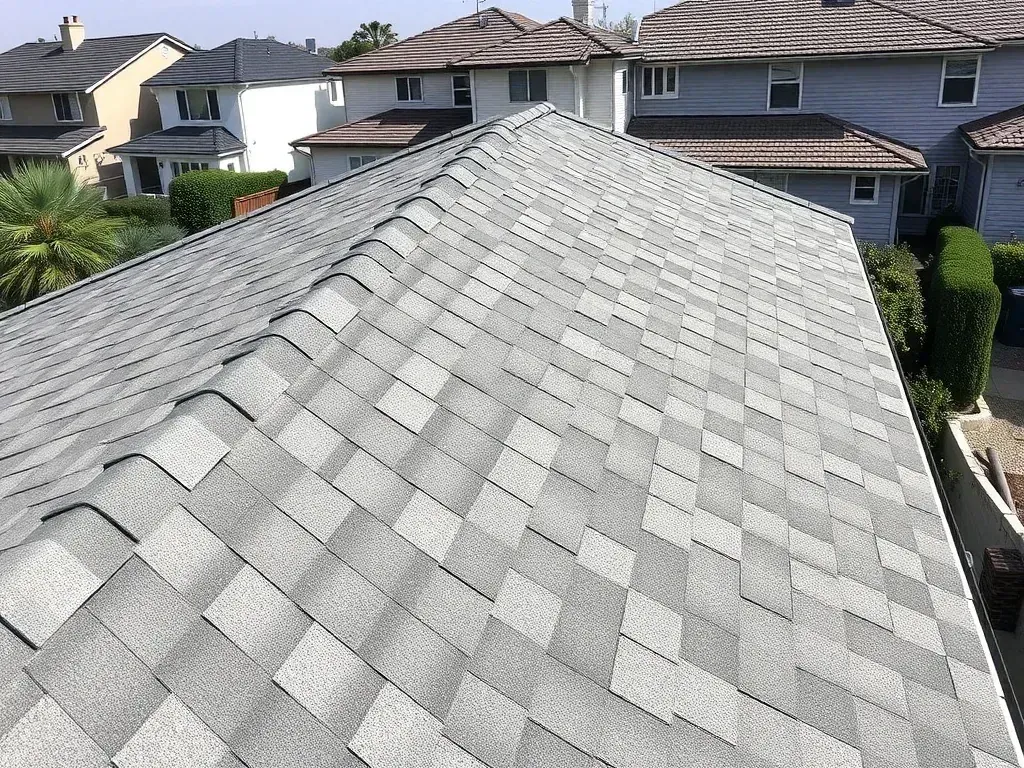
- Ridge cap shingles and a ridge vent close the top, letting ventilation pull heat and moisture out instead of baking the deck from underneath.
We install GAF Timberline, Owens Corning Duration, and CertainTeed Landmark architectural shingles most often. Warranty terms hold up, and the dimensional profile hides minor decking variation.
Flat sections such as a porch canopy, a low-slope overhang, or a mansard slope get modified bitumen membrane or a single-ply TPO or EPDM sheet. Asphalt has no business on a low slope.
Roof Types We Repair and Replace
- Standing-seam metal panel and corrugated panel for a metal roofline that shrugs off freeze-thaw instead of curling.
- Cedar shake and wood shake restoration on Forest Hill and Clinton Hill homes where the original material is worth saving.
- Clay tile and concrete tile repairs in Weequahic, resetting broken pieces instead of replacing the whole field.
- Three-tab asphalt shingle overlays only when the existing layer is flat and the owner is selling. An overlay adds weight and is rarely right on a house you plan to keep.
- Slate, built-up roof, and PVC membrane sections on the older mixed-use buildings near Broad Street.
What We Inspect Before We Quote
A roof estimate should read like a document, not a number. Ours lists line items: squares of shingle, rolls of underlayment, flashing metal, and any decking we expect to replace.
- Roof pitch and slope, since anything under a 4:12 changes the underlayment and flashing spec.
- Flashing condition at chimney flashing, apron flashing, skylight curbs, and boot flashing around vent stacks.
- Granule loss, shingle curl, and bruised shingle after a storm, especially on west-facing slopes.
- Soffit vent intake and attic fan output, because a roof with no air movement cooks itself from the inside.
- Fascia and soffit condition. Rotted fascia means the gutter is about to pull away from the eave.
- Active ice dam, ponding water, or a moisture content reading above normal in the sheathing.
- Mastic, caulk, and roof cement smeared over old repairs, which usually hides a leak rather than fixing it.
Timelines, Access, and What Drives Cost
Most residential replacements run two to three days on the rooftop. Chimney rebuilds, new decking, or a steep pitch push that out.
- Roof size measured in roofing squares. Each square is 100 square feet of finished field course.
- Layers to remove: one, two, or a recover that skips tear-off entirely.
- Decking swapped per sheet of OSB or plywood, with photos of every panel we change.
- Access and safety setup: scaffold, ladder, anchor point, and safety harness take time on a narrow Ironbound lot.
- Material choice: architectural shingle versus standing-seam panel or slate changes the material line dramatically.
- Gutter, downspout, and fascia work bundled into the same job, which costs less than a second mobilization.
We set the dumpster, run the nail gun, and magnet-sweep the yard before we leave. Landscaping gets covered with tarps and plywood either way.